Laminate vs Hardwood Flooring: Discover the Best Fit for You
Compare laminate and hardwood flooring to find the perfect fit for your home. Explore cost, durability, and style options for your flooring needs today!
FLOORING
2/5/20264 min read
Picking new floors can feel overwhelming. Laminate and hardwood each bring clear advantages and trade-offs, so the best choice depends on how you live, your budget, and where you’ll install the floor. This guide walks you through the key differences, cost, durability, upkeep, installation, and resale impact, so you can make an informed decision. By the end, you’ll know which option best fits your home and lifestyle.
Key Differences: Hardwood vs. Laminate Flooring
Both hardwood and laminate are common, reliable choices, but they’re built very differently. Hardwood is genuine wood, either solid or engineered, and gives a natural, long-lasting look. Laminate is a manufactured product that mimics wood’s appearance while generally costing less and standing up well to heavy wear. Knowing those core distinctions helps you match the material to your needs.
Hardwood: Definition and Available Types
Hardwood refers to floors made from real wood: either solid planks milled from a single piece or engineered boards with a real hardwood veneer over a plywood or high-density fiberboard (HDF) core.
Solid hardwood is traditional and can be refinished many times. Engineered hardwood uses layered construction to better resist moisture and temperature shifts than solid wood, making it a more flexible choice for certain rooms.
Popular hardwood species include oak, maple, and cherry, each has its own grain, color range, and character.
Laminate Flooring: What It Is and How It Mimics Wood
Laminate is a multi-layer, synthetic floor. Typical layers include a wear layer, a printed design layer that replicates wood grain, a stable core (often HDF), and a backing layer for moisture protection.
Modern printing and surface textures let laminate convincingly imitate everything from distressed farmhouse oak to smooth, contemporary planks.
Laminate’s construction usually gives it strong scratch and stain resistance, which is why it’s a popular option for high-traffic spaces.
Durability and Wear Resistance: Which Lasts Longer?
Hardwood is generally more durable over the long term because it can be sanded and refinished to remove surface damage. Laminate resists scratches and stains well, but can’t be refinished. Once the top layer wears down, the plank needs to be replaced. For heavy-traffic rooms, laminate’s surface toughness is attractive; for longevity and repairability, hardwood has the edge.
Maintenance, Appearance, and Moisture Resistance: Key Considerations
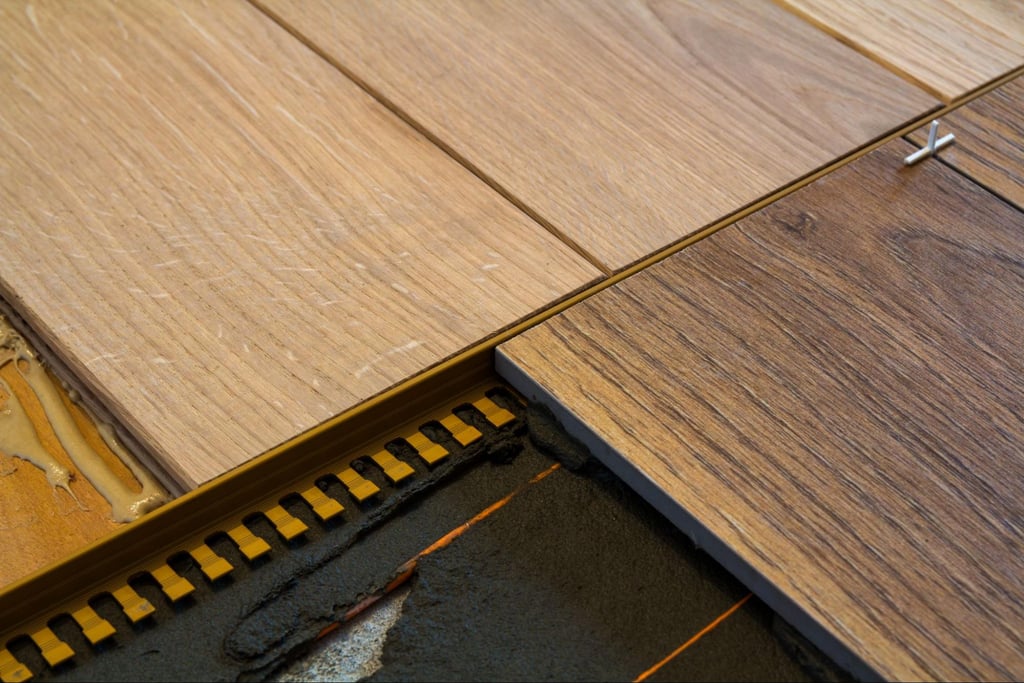
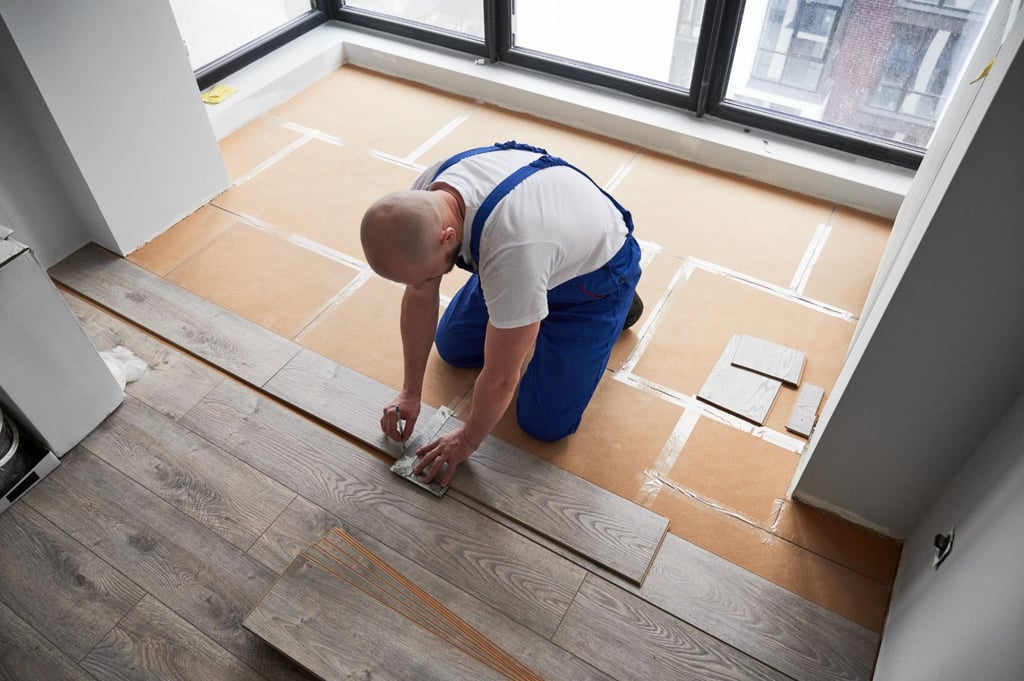
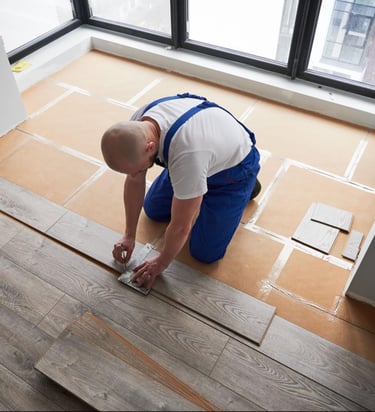
Maintenance needs, how the floor looks, and how it handles moisture are all practical considerations. Each material has strengths: hardwood for natural warmth and depth, laminate for convenience and surface durability.
Maintenance Needs: Hardwood vs. Laminate
Hardwood needs regular sweeping or vacuuming and occasional refinishing to keep it looking its best. Laminate is lower-maintenance; weekly sweeping and a damp mop will usually do, but avoid standing water. For busy households, laminate’s easier upkeep can be a big advantage.
Maintenance routines also affect long-term costs and environmental impact, so think beyond monthly cleaning.
Appearance and Design Options: How They Compare
Hardwood delivers a natural look with depth and texture that many buyers still prefer; it comes in a wide range of finishes and stains. Laminate offers many printed styles and textures that emulate real wood and can be matched to different design tastes, though it won’t have the same depth as solid wood.
Installation and Environmental Impact: Important Considerations
How a floor is installed and where its materials come from can influence both cost and sustainability. Consider installation complexity, whether you want to DIY, and any eco-certifications when you choose a product.
Installation Methods and DIY Potential
Solid hardwood usually needs professional installation; nailing or gluing is common. Engineered hardwood can be easier to install, often using click-lock systems or glue-down methods. Laminate is widely designed for DIY installs, often as a floating floor that snaps together without nails or glue.
Sustainability: How Hardwood and Laminate Compare
Sustainability depends on sourcing and manufacturing. Certified hardwood (for example, FSC-certified) from responsibly managed forests can be a strong eco choice. Laminate often contains recycled materials but can involve energy-intensive manufacturing and synthetic resins. If environmental impact is a priority, look for certifications and product transparency.
Matching Flooring to Specific Rooms and Lifestyles
Room conditions and how you live, pets, kids, and humidity should guide your choice. Some floors are better suited to certain rooms than others.
Best Choices for Kitchens, Bathrooms, and Basements
Moisture resistance is crucial in kitchens and bathrooms. Water-resistant laminate can handle spills and humidity better than older laminate types, but not every laminate product is waterproof; check the specs. Hardwood can be used in kitchens with proper finishing and care, but it’s more vulnerable to standing water. For basements, moisture-resistant laminate or engineered hardwood with a proper moisture barrier is usually the safer pick.
Impact of Pets, Kids, and Lifestyle on Flooring Choice
If you have pets or young children, prioritize scratch resistance and easy cleaning. Laminate commonly scores well for scratches and low maintenance. Hardwood looks great and can be long-lasting, but it may need more care to prevent dents and scratches.
Hardwood’s Impact on Resale Value
Hardwood is widely seen as a premium feature and can increase resale value. Many buyers value hardwood for its classic look, durability, and the option to refinish — all factors that can help homes sell for more than those with laminate or carpet.
Laminate's Impact on Home Equity and Appeal
Laminate usually won’t match hardwood’s return on investment, but high-quality laminate can still enhance appeal, especially in budget-conscious areas. It offers attractive aesthetics at a lower cost, making it a smart choice for many renovation budgets.
Find the Perfect Flooring Fit with Remodel Masters
Choosing between laminate and hardwood flooring depends on lifestyle, budget, and long-term goals. At Remodel Masters, we help homeowners understand how each option performs in real-life conditions, from durability and maintenance to appearance and resale value. Our expert insight ensures your flooring choice supports both your design vision and daily living needs.
If you’re planning a flooring upgrade, professional guidance can save time and prevent costly regrets. Contact Remodel Masters today to discuss your options and choose flooring that fits your home beautifully.
Frequently Asked Questions
Which flooring option is better for pets?
Laminate is often more scratch-resistant and easier to clean for pet owners, while hardwood may require more upkeep to maintain its finish.
Can laminate flooring increase home value?
While hardwood generally adds more resale value, modern laminate can still enhance appeal when installed correctly and styled well.
Is hardwood flooring harder to maintain than laminate?
Yes. Hardwood requires more careful cleaning and periodic refinishing, whereas laminate is easier to maintain day to day.
Explore More Remodeling Ideas
Looking for more expert guidance on kitchens, bathrooms, and flooring? Visit the Remodel Masters Blog for additional remodeling tips, design inspiration, and homeowner resources.
Remodel Masters
Unsurpassed Quality & Design
© Copyright 2026 Remodel Masters, All rights reserved
Hours of Operation
Mon. - Fri. 8:00 am - 6:00pm
Closed Saturday & Sunday
JOCO Class A + DP Contractor License
Fully Insured with general liability and work comp
Olathe, KS
Overland Park, KS
Stilwell, KS
Shawnee, KS
Leawood, KS
Prairie Village, KS
Westwood Hills, KS
Fairway, KS
Roeland Park, KS
Lenexa, KS
Mission Hills, KS
Westwood, KS
Merriam, KS
Mission Woods, KS
De Soto, KS
Mission, KS
Gardner, KS
Edgerton, KS
Serving Johnson County, KS.
13225 S Foxridge Dr, Olathe, KS 66062
913-491-8100