Ceramic vs Porcelain Tiles: Which Is Right for Your Bathroom?
Transform your bathroom with stunning ceramic or porcelain bathroom tiles. Explore your ideal tile options in Overland Park for a stylish and durable finish!
BATHROOM REMODELING
12/20/20258 min read
Picking the right bathroom tile comes down to performance, looks, and long-term value. The ceramic-versus-porcelain decision is the single most important technical choice most homeowners face. This guide breaks down what each material is, why density and water absorption matter for floors and wet walls, and how those properties translate into real-world recommendations for shower surrounds, busy family bathrooms, and decorative accent walls. You’ll get clear comparisons of material differences, measurable performance metrics (water absorption, PEI, COF), and a practical look at installation effort.
What Are the Key Differences Between Ceramic and Porcelain Tiles?
The main differences come from the tile body, firing process, and final density, factors that directly affect water absorption and durability. Porcelain is made from finer, more refined clays (often with fluxing agents) and is fired at higher temperatures, producing a denser, less porous body. Ceramic typically uses earthenware or red clays and rely on a glaze for surface appearance, which can hide a more porous substrate. Those manufacturing distinctions mean porcelain usually has lower water absorption and greater hardness, making it better for wet areas and heavy foot traffic. Ceramic is a more economical option for decorative uses and lower-stress floors. Understanding these differences helps match tile choice to bathroom use cases, such as shower floors, tub surrounds, and primary bathroom floors, where longevity and slip resistance matter.
How Do Ceramic and Porcelain Tiles Differ in Material and Manufacturing?
Ceramic tiles start with clay bodies that are commonly glazed after firing; porcelain uses finer clays with additives and higher firing temperatures to create a compact, low-porosity body. The glaze provides surface color and pattern, but the tile body determines absorption and toughness. Porcelain’s body is why it resists moisture better. Porcelain is typically pressed and fired at higher temperatures, which increases vitrification (a glass-like bonding that lowers absorption), so it performs better in humid or wet installations. Those material and process differences are why large-format, rectified porcelain is often specified where minimal grout lines and long-term durability are priorities.
What Are the Water Absorption Rates and Durability Differences?
Tiles are classified by water absorption: porcelain typically measures ≤ 0.5% absorption, while ceramic can vary more widely depending on body and glaze. PEI (Porcelain Enamel Institute) ratings offer a practical sense of abrasion resistance; PEI 3–5 is appropriate for residential floors, and porcelain more often sits in the upper ranges thanks to its density. Lower absorption and greater hardness reduce staining and moisture-related failures, which typically means porcelain has lower life-cycle maintenance in wet environments. In short, porcelain reduces moisture-related risks and generally provides a longer service life in bathrooms than standard glazed ceramic.
What Are the Pros and Cons of Porcelain Tiles for Bathrooms?
Porcelain delivers outstanding water resistance, strong wear characteristics, and a wide range of aesthetics, from stone to wood looks, but it usually costs more and is harder to cut and install. Because it’s dense and low-absorption, porcelain is a top choice for shower floors, main bathroom floors, and homes with radiant heat: it transmits heat well and resists moisture-related failures. On the flip side, installing porcelain, especially rectified or large-format pieces, typically requires skilled labor, specialized saws, and careful substrate preparation, which increases project costs and complexity. Knowing these tradeoffs helps you weigh upfront expense against long-term durability and lower maintenance.
Porcelain’s pros and cons, in short:
High water resistance: Low absorption reduces the risk of mold and moisture.
Superior durability: Higher PEI ratings make it suitable for family bathrooms and heavy use.
Higher upfront cost: Material and installation costs are typically greater than those of ceramic.
These points make porcelain attractive where longevity and moisture protection matter most; the installation challenges explain why professional help is often recommended.
Why Is Porcelain Tile Considered More Durable and Water-Resistant?
Porcelain’s higher firing temperatures and compact body produce a vitrified matrix that minimizes capillary pores, resulting in water absorption ≤ 0.5%. That low porosity improves stain resistance and reduces the risk of adhesive or substrate failures in showers and wet walls. Porcelain’s greater hardness (reflected in higher PEI and modulus values) resists scratching and wear, making it a smart long-term choice for main bathroom floors and commercial applications. These material qualities mean porcelain is often the safer investment in wet or heavy-use areas where moisture-related repairs would be costly.
What Are the Cost and Installation Challenges of Porcelain Tile?
Porcelain’s production and handling raise both material and labor costs: premium finishes and large-format, rectified tiles carry higher per-square-foot prices, and cutting dense porcelain requires wet saws with diamond blades and usually two-person handling for large pieces. Installation complexities include tighter substrate flatness tolerances, specialized adhesives, lippage control for rectified edges, and additional time for grout and sealing on textured surfaces. Project budgets should account for these demands and include contingency for substrate repair or underlayment upgrades. Knowing these cost drivers helps homeowners plan realistically and decide when professional installation is worth the cost.
What Are the Advantages and Disadvantages of Ceramic Tiles in Bathrooms?
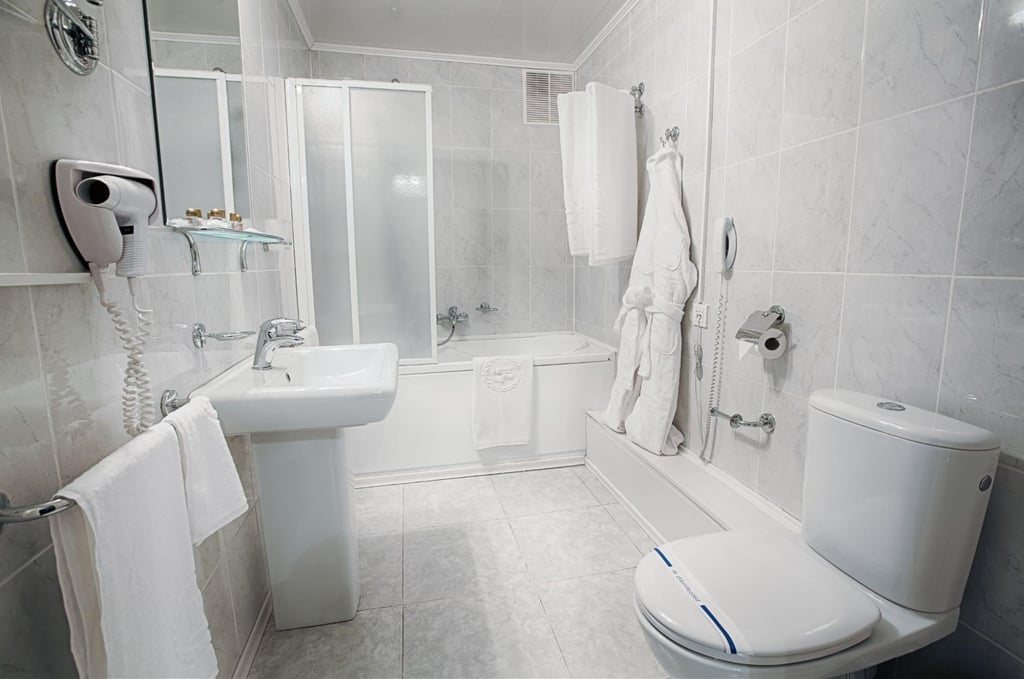
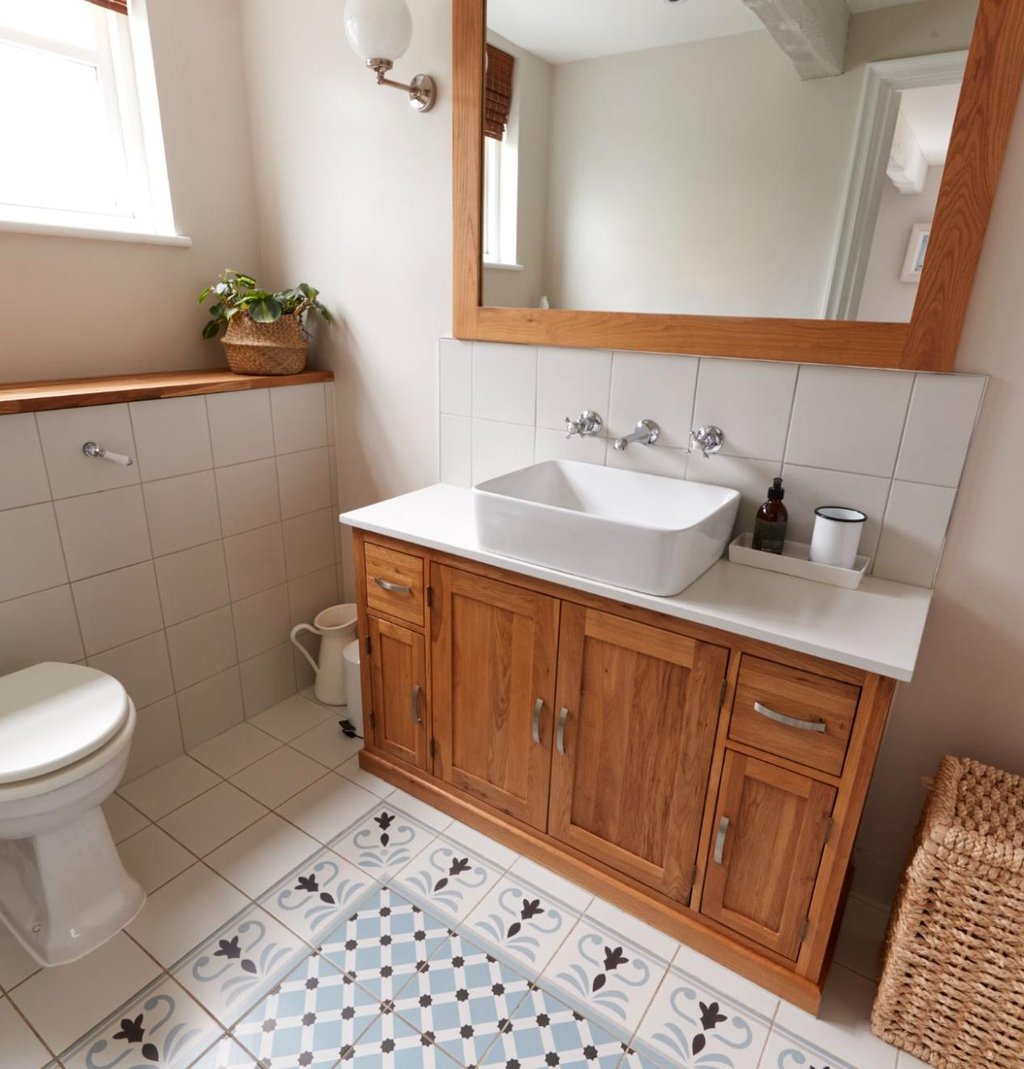

Ceramic tiles offer affordability, broad decorative options through glazed surfaces, and generally easier cutting and DIY-friendly installation, but they have porosity and durability limitations that make them less ideal for continuously wet or high-traffic bathroom floors. The glaze enables countless patterns and colors, which designers use for accent walls, backsplashes, and low-traffic floors where looks are the priority. Ceramic’s lighter body can be more forgiving for homeowners or small contractors with basic tools, but higher water absorption often rules ceramic out for shower floors unless it’s specifically rated for that use. Choosing ceramic is a tradeoff: you gain design flexibility and lower upfront cost at the expense of peak moisture performance.
How Does Ceramic Tile Offer Affordability and Design Variety?
Glazed ceramic applies color and pattern on the surface, letting you achieve designer looks, mosaics, bold graphics, intricate patterns, without the price of natural stone or premium porcelain. Because ceramic is lighter and easier to cut with common tools, many homeowners and small contractors can install it with basic training, thereby reducing labor costs. Using ceramic strategically, backsplashes, feature walls, and low-traffic powder rooms, leverages its design benefits while limiting exposure to moisture and wear.
What Are the Durability and Porosity Concerns with Ceramic Tile?
Ceramic’s higher porosity and lower hardness relative to porcelain make it more prone to chipping, grout staining, and long-term wear in busy bathrooms. Proper grout choice and periodic sealing of grout lines reduce moisture ingress and staining, but these steps add recurring maintenance. For bathtub surrounds and walls, glazed ceramic performs well; for shower floors and high-traffic family bathrooms, lower-absorption tiles are usually a better choice. Homeowners should weigh maintenance needs against upfront savings when selecting ceramic for bathroom installations.
How Do Ceramic and Porcelain Tiles Compare on Key Bathroom Flooring Factors?
A straight, factor-by-factor comparison helps you prioritize what matters most: durability, water resistance, upkeep, cost, and DIY suitability. Porcelain generally wins on durability and moisture resistance; ceramic wins on affordability and DIY friendliness. Differences center on grout care and sealing, and installation costs depend on tile size and finish; large-format porcelain and rectified edges require greater precision and often increase labor time.
How Do Water Resistance and Maintenance Requirements Differ?
Differences in water resistance lead to different maintenance routines: porcelain needs regular cleaning but usually less grout sealing and fewer repairs, while ceramic installations often benefit from scheduled grout sealing and closer monitoring for discoloration or mold. Best maintenance practices for either material include cleaning with neutral pH products, timely grout upkeep, and good ventilation to control humidity. The checklist below lists core tasks to protect tile performance and appearance over time.
Clean regularly: Use neutral cleaners and avoid harsh acids that can damage grout.
Seal grout: Apply grout sealer on ceramic and porous grout lines annually or as recommended.
Ventilate bathrooms: Use fans or passive ventilation to reduce humidity and mold growth.
Following these steps narrows the performance gap between materials and helps any tile last longer.
What Are the Typical Installation Costs and DIY Suitability?
Installation costs depend on tile type, size, and project complexity. Porcelain’s density and the trend toward large-format pieces typically increase labor time and require specialized tools; ceramic installations are more likely to fit DIY budgets. Major cost drivers include substrate preparation, underlayment, waterproofing, thinset selection, and grout selection; rectified edges and minimal grout lines increase precision requirements. DIY suitability hinges on tile size and wet-area complexity; small ceramic wall tiles are often DIY-friendly, while experienced installers are best suited for large-format porcelain floors, shower floors, and steep-slope pans. Understanding these variables helps homeowners decide whether to seek professional quotes or save with DIY in lower-risk areas.
Which Tile Is Best for Specific Bathroom Areas: Floors, Showers, and Walls?
Area-specific recommendations connect tile types and finishes to functional priorities: slip resistance and durability for floors, low absorption plus correct substrate/waterproofing for showers, and aesthetic flexibility for walls. For shower floors, choose small-format or textured porcelain with a good COF slip rating and a proper slope to the drain; for shower walls, glazed porcelain or ceramic on a waterproof backer board with sealed grout works well. For bathroom floors, porcelain is a reliable pick for main bathrooms; consider textured finishes or mats to improve safety. Balancing looks and performance ensures the right material for each application.
Why Is Professional Installation Important for Ceramic and Porcelain Bathroom Tiles?
Correct substrate prep, waterproofing, adhesive selection, and leveling determine tile performance, warranty coverage, and longevity. Professional installers ensure flatness tolerances, proper mortar beds or backer board installation, and correct joint spacing to avoid lippage and premature failure. Poor installation can lead to cracked tiles, grout failure, and leaks that damage substrates and finishes, turning a relatively low-risk tile choice into an expensive repair. Hiring trained installers reduces that risk and often preserves manufacturer warranties tied to installation standards.
What professional installation provides and why it matters:
Warranty compliance: Proper installation protects product and workmanship warranties.
Correct substrate prep: Backer boards, waterproofing membranes, and flatness corrections prevent future failures.
Proper grout and seal: Correct grout selection and sealing reduce moisture penetration and staining.
These safeguards lower lifecycle costs and help tiles perform as intended, especially important for high-end porcelain and complex shower systems.
How Does Expert Installation Impact Tile Performance and Warranty?
Expert installation influences both immediate performance and long-term durability by controlling variables like substrate moisture, thinset consistency, grout selection, and movement joints, all common causes of failure. Installers who follow industry standards choose the right thinset for large-format porcelain, maintain expansion joints, and verify waterproofing layers in shower assemblies to prevent leaks. Many high-end tile manufacturers and underfloor heating warranties require professional installation and documentation; skipping pros can void those protections. Asking installers about substrate prep, membrane type, and warranty terms is a practical way to vet contractors.
When Is DIY Installation Suitable and When Should You Hire Professionals?
DIY is reasonable for small, non-wet projects like a decorative backsplash, a single accent wall, or replacing a few floor tiles if you have basic tools and a flat substrate. Hire professionals for shower floors, shower pans, large-format rectified tiles, heated-floor systems, or when substrate repair and waterproofing are needed. Let complexity, risk, and potential repair cost guide the choice: if failure would cause water damage or require extensive demolition, professional installation is the safer option. Use a checklist, tile format, area moisture level, substrate condition, and desired finish to decide whether to DIY or hire pros.
Make the Right Tile Choice with Remodel Masters
Choosing between ceramic and porcelain tile isn’t just about looks; it’s about durability, moisture resistance, and long-term performance. At Remodel Masters, we guide homeowners through tile selection to ensure the materials you choose match your bathroom’s usage, budget, and design goals. Our expertise helps you balance beauty with practicality for a result that lasts.
Whether you’re updating a small bathroom or planning a full remodel in Overland Park, expert insight can save time and prevent future issues. Contact Remodel Masters today to get professional advice and move forward with confidence on your bathroom renovation.
Frequently Asked Questions
Is porcelain tile better for bathroom floors?
In most cases, yes. Porcelain is denser and less porous, making it ideal for wet environments and high-traffic bathroom floors.
Does tile choice affect bathroom maintenance?
Definitely, porcelain tiles typically require less maintenance due to their low water absorption and stain resistance
Can ceramic tile still be a good option for bathrooms?
Yes. Ceramic tile works well for walls and low-moisture areas, especially when budget or decorative flexibility is a priority.
Up Next
Planning a kitchen remodel next? Learn how to hire the right professional in How to Choose the Right Kitchen Remodeling Contractor in Leawood: Your Complete Guide to Hiring a Trusted Remodeler
Remodel Masters
Unsurpassed Quality & Design
© Copyright 2026 Remodel Masters, All rights reserved
Hours of Operation
Mon. - Fri. 8:00 am - 6:00pm
Closed Saturday & Sunday
JOCO Class A + DP Contractor License
Fully Insured with general liability and work comp
Olathe, KS
Overland Park, KS
Stilwell, KS
Shawnee, KS
Leawood, KS
Prairie Village, KS
Westwood Hills, KS
Fairway, KS
Roeland Park, KS
Lenexa, KS
Mission Hills, KS
Westwood, KS
Merriam, KS
Mission Woods, KS
De Soto, KS
Mission, KS
Gardner, KS
Edgerton, KS
Serving Johnson County, KS.
13225 S Foxridge Dr, Olathe, KS 66062
913-491-8100