How to Choose Kitchen Cabinets for Style and Function: A Homeowner's Complete Guide
Transform your kitchen with stylish kitchen cabinets in Overland Park. Explore a variety of designs and finishes that fit your perfect style and practical needs.
KITCHEN REMODELING
12/31/20256 min read
Picking kitchen cabinets is about more than looks; it's finding the right balance between style and everyday performance that will serve your household for years. This guide walks homeowners through evaluating cabinet profiles, materials, layouts, and storage to prioritize durability, daily workflow, and resale value.
What Are the Most Popular Kitchen Cabinet Styles and Trends?
Current cabinet design favors clean silhouettes, flexible profiles, and details that blend traditional craftsmanship with modern simplicity. Style affects perceived weight, finish options, and how well cabinets coordinate with countertops, backsplashes, and hardware. Some profiles hide fingerprints and wear better; others need more careful maintenance or custom hardware. Knowing the defining traits of the leading styles helps you pick a look that fits your daily routine and long-term resale goals.
What Defines Shaker, Flat-Panel, and Raised-Panel Cabinet Styles?
Shaker, flat-panel, and raised-panel fronts each create different visual and practical outcomes. Shaker doors have a simple recessed center panel and sturdy frame that reads as transitional. They feel handcrafted and are easy to repaint, so they work in both classic and more modern kitchens. Flat-panel (slab) doors offer a smooth, uninterrupted surface that reduces visual clutter and pairs well with integrated or handleless hardware for a minimalist look. Raised-panel doors feature contoured center panels that add depth and ornamentation, often shown in stained solid wood to highlight the grain. Your choice should factor in maintenance, how the door pairs with your counters, and whether you prefer painted or stained finishes.
How Do Current Trends Influence Kitchen Cabinet Style Choices?
Current trends favor subtle texture, flexible two-tone palettes, and hardware that supports smart functionality, and these shifts influence which styles homeowners choose. Minimalist kitchens push many toward flat-panel fronts with concealed pulls, while transitional spaces often favor Shaker to bridge classic and contemporary details. Two-tone cabinetry, darker islands with lighter perimeter cabinets, creates visual focus and practical zoning: islands handle heavy-use storage while perimeter cabinets support everyday workflows. Think about trend longevity and resale: choose timeless profiles for major elements and reserve trend-forward touches for reversible items like paint or hardware.
What Are the Pros and Cons of Solid Wood, Plywood, and MDF Cabinets?
Solid wood, plywood, and MDF behave differently in kitchen environments and deliver distinct looks. Solid wood doors offer rich grain and the ability to refinish, but they're more sensitive to humidity and usually cost more. Plywood is a strong, dimensionally stable choice for cabinet boxes, with good screw-holding and long-term performance; it's often the recommended carcass material. MDF provides a perfectly smooth surface for painted doors and handleless profiles, and it's cost-effective, though less moisture-resistant than plywood unless well sealed. In short: choose plywood for structural durability, solid wood for premium stained finishes, and MDF for crisp painted looks on a tighter budget.
How Are Eco-Friendly and Sustainable Cabinet Materials Changing the Market?
Eco-friendly materials and low-VOC finishes are more accessible, raising expectations for indoor air quality and responsible sourcing. Options like reclaimed wood, FSC-certified plywood, and water-based low-VOC paints reduce environmental impact and improve home air quality, though they can add lead time or extra cost depending on availability. For many homeowners, choosing FSC plywood for carcasses and low-VOC finishes strikes a sensible balance between durability and sustainability. Designers increasingly specify long-lasting plywood and washable finishes to extend a kitchen's life and lower lifecycle costs. If you opt for sustainable choices, plan for potential longer lead times and sourcing considerations.
How Can You Maximize Functionality with Smart Kitchen Cabinet Design?

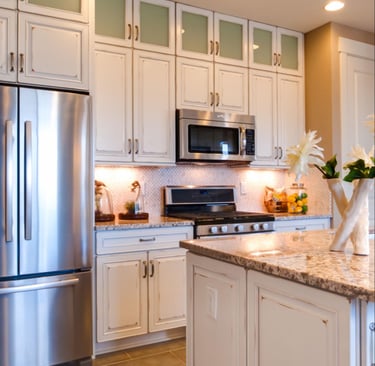
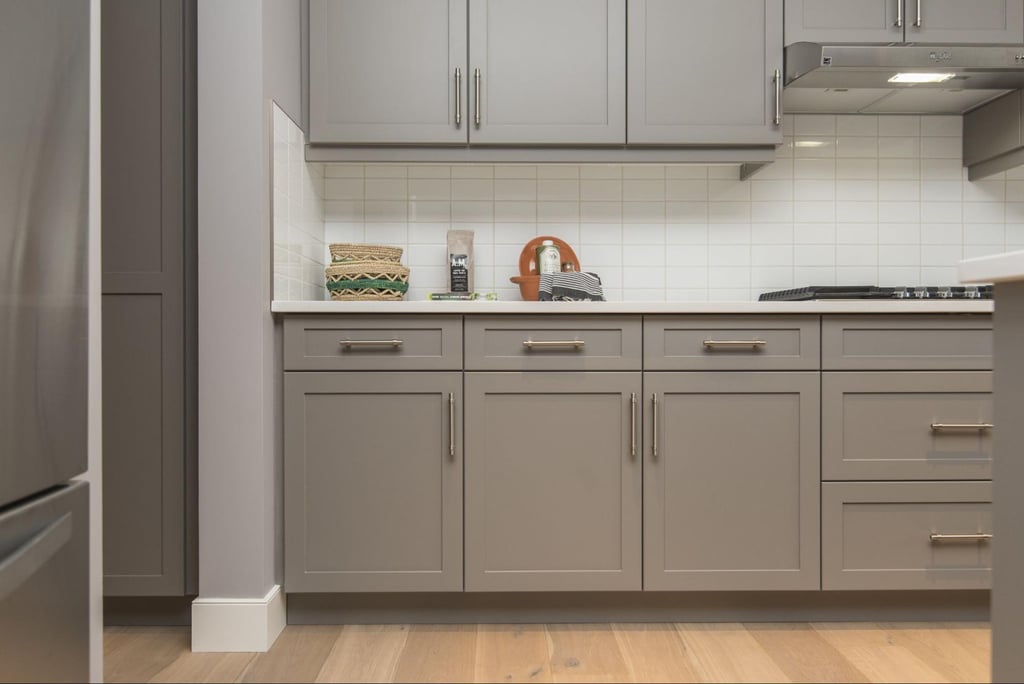
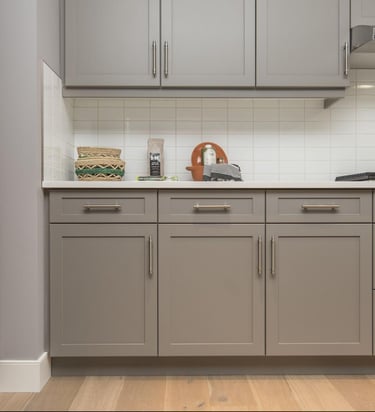
Smart cabinet design focuses on workflow, accessible storage, and ergonomic operation to make daily kitchen tasks easier. Functionality depends on layout, cabinet heights and depths, and the inclusion of targeted storage features that address problems such as overcrowded drawers or hard-to-reach corners. Thoughtful storage planning, placing frequently used items in easy-to-reach zones, reduces time and frustration during prep and cleanup.
What Are the Best Kitchen Cabinet Layouts for Efficiency and Flow?
Common layouts, L-shape, U-shape, galley, and island-centric plans, each support different needs and traffic patterns; choosing the right one optimizes the work triangle and circulation. An L-shaped plan works well in open layouts and pairs nicely with a flexible island; U-shapes maximize counter space and suit cooks who use multiple work zones. Galley kitchens provide efficient, compact workflows for narrow rooms but require careful clearance planning. Islands can serve as prep surfaces, seating, and specialty storage, but they must leave enough room for comfortable movement and appliance access.
Below are layout priorities to keep in mind when evaluating your space.
Work triangle efficiency: Position sink, cooktop, and refrigerator to reduce walking while cooking.
Traffic flow: Keep main walkways out of primary prep zones to avoid interruptions.
Clearance standards: Allow enough space around islands and between opposing runs for appliance doors and comfortable movement.
Zoning: Group storage and counters by task, prep, cooking, and cleanup, to streamline routines.
These priorities help you choose storage and layout solutions that close real workflow gaps.
Which Storage Features Improve Kitchen Cabinet Functionality?
Targeted storage features solve everyday pain points by increasing usable space and accessibility; investing in the right upgrades typically pays off every day. Pull-out base drawers replace deep, hard-to-reach shelves and make pots and pans easy to access. Vertical dividers keep baking sheets and cutting boards organized and upright. Lazy Susans or blind-corner pull-outs turn dead corner space into usable storage, while tall pantry pull-outs keep cans and small appliances visible and reachable. Toe-kick drawers and integrated appliance panels add discreet storage and a cohesive look without expanding the footprint.
Which Warm Neutrals, Greens, and Dark Tones Are Trending for Cabinets?
Warm neutrals like greige and soft taupe provide a versatile, forgiving backdrop that hides wear and pairs well with wood or stone. Biophilic greens, sage, olive, and muted emerald bring a calming, natural feel and work especially well with oak or walnut accents. Deep tones such as charcoal and navy add drama when used on islands or lower cabinets, while lighter uppers keep the room feeling open. When choosing a tone, consider pairings: warm neutrals suit honed stone counters, greens pair with warm wood, and dark tones benefit from light countertops and polished hardware for contrast.
How Do Two-Tone Cabinets Enhance Kitchen Style and Function?
Two-tone cabinets let you define zones visually and prioritize function by placing accent colors where they make the most sense. A darker island color grounds the room and hides heavy-use wear, while lighter perimeter cabinets reflect light and keep the space feeling open. Two-tone schemes also let you reversibly try trend-forward hues; repainting an island is simpler and less costly than refacing an entire kitchen. Keep balance in mind: choose one dominant color and one accent color, and coordinate hardware finishes so the overall look reads intentionally.
What Factors Should Influence Your Kitchen Cabinet Layout Decision?
Asking focused questions about cooking habits, entertaining frequency, storage needs, and mobility requirements quickly clarifies the best layout. Families who cook daily typically need more counter space and distinct appliance zones, while homes that entertain emphasize seating and service flow. Physical constraints, door swings, window placement, and plumbing limit options and should be addressed early to avoid costly changes. Budget and timeline determine whether you can reconfigure the layout or should pursue targeted cabinet upgrades; a clear checklist helps decide between incremental improvements and full remodels.
Daily cooking needs: How much prep and cooking happen each day?
Storage capacity: Do you need more pantry space or room for cookware?
Traffic patterns: Who moves through the kitchen and when?
Fixed constraints: Windows, doors, plumbing, and load-bearing walls.
Budget & timeline: Remodel scope and acceptable disruption.
How Can Custom Cabinetry Adapt to Unique Kitchen Layouts?
Custom cabinetry solves odd angles, sloped ceilings, and awkward recesses with made-to-measure solutions that stock units can't match. Custom boxes can fit under stair runs, wrap around posts, or integrate appliances for a seamless built-in look. The trade-offs are longer lead times and higher cost than semi-custom options, but custom work often improves usable storage and visual cohesion enough to justify the investment. When considering custom cabinetry, weigh the functional gains, bespoke corner solutions, or vertical storage against budget and schedule.
Design Smarter Cabinets with Remodel Masters
Kitchen cabinets play a significant role in how your space looks and functions every day. At Remodel Masters, we help Overland Park homeowners choose cabinet styles, materials, and storage solutions that support their lifestyle and enhance the kitchen's overall design. From layout planning to finish selection, our guidance ensures your cabinets deliver both beauty and performance.
If you're planning a kitchen upgrade, expert insight can help you avoid regret and maximize your investment. Contact Remodel Masters today to explore cabinet options and start designing a kitchen that truly works for your home.
Frequently Asked Questions
What cabinet features improve kitchen functionality the most?
Soft-close drawers, pull-out shelves, and built-in organizers significantly improve accessibility and daily convenience.
Should cabinets be chosen before countertops?
Yes. Cabinets are typically selected first since they determine layout and influence countertop sizing and edge profiles.
How long do quality kitchen cabinets typically last?
Well-built cabinets can last 20–30 years or more with proper care, making them one of the most important long-term investments in a kitchen remodel.
Explore More Remodeling Guides
Looking for more expert insight? Visit the Remodel Masters blog for additional kitchen and bathroom remodeling guides, design inspiration, and practical homeowner tips.
Remodel Masters
Unsurpassed Quality & Design
© Copyright 2026 Remodel Masters, All rights reserved
Hours of Operation
Mon. - Fri. 8:00 am - 6:00pm
Closed Saturday & Sunday
JOCO Class A + DP Contractor License
Fully Insured with general liability and work comp
Olathe, KS
Overland Park, KS
Stilwell, KS
Shawnee, KS
Leawood, KS
Prairie Village, KS
Westwood Hills, KS
Fairway, KS
Roeland Park, KS
Lenexa, KS
Mission Hills, KS
Westwood, KS
Merriam, KS
Mission Woods, KS
De Soto, KS
Mission, KS
Gardner, KS
Edgerton, KS
Serving Johnson County, KS.
13225 S Foxridge Dr, Olathe, KS 66062
913-491-8100